Mighty Rhinestone Graphics for T‑Shirt & Branding Review
First Impressions: A Spark of Bold Personality
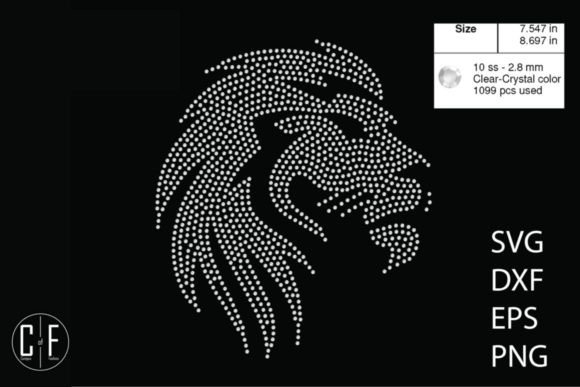
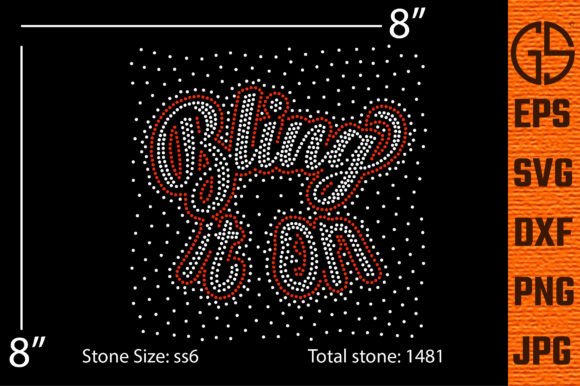
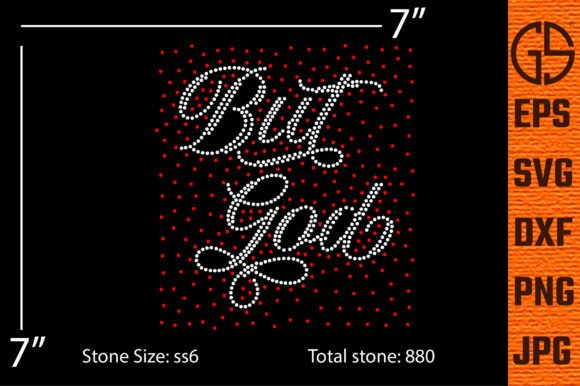
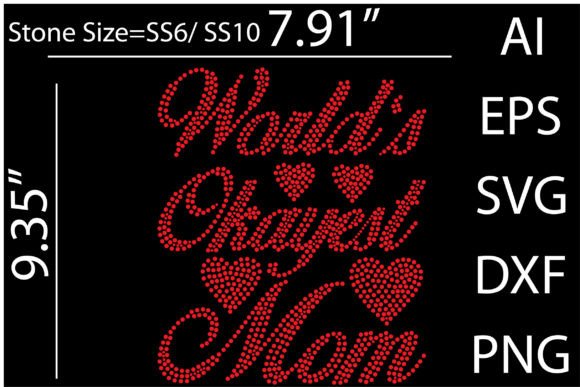
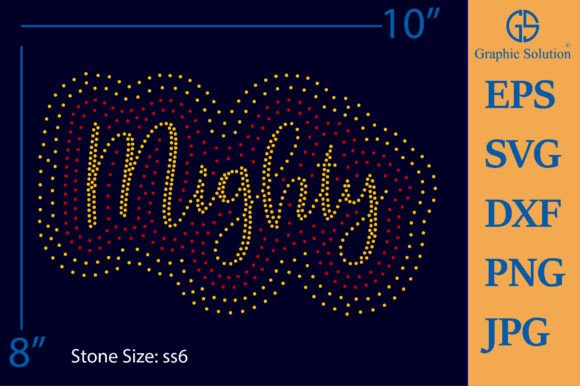
When I first unpacked the Mighty Rhinestone Template Design, the immediate mood was unmistakable — it radiates a loud, celebratory energy. The arrangement of faceted, shimmer-like shapes creates a rhythm that feels both decorative and directional. This isn’t a quiet, understated graphic. It wants to be seen. For a brand designer like me, the asset sparks ideas for businesses that thrive on charisma: a boutique bakery that uses glittery cupcake toppers, a handmade soap brand with festival-worthy packaging, or a local coffee shop running a limited-edition holiday cup sleeve. The rhinestone effect, even as a flat vector, carries a tactile luxury that can elevate otherwise simple product presentations. It’s confident, a little glamorous, and surprisingly adaptable — as long as you know where to place it.
What Kind of Brand Personality Does It Suggest?
Every graphic design asset has a voice. This one speaks in a tone that’s festive, bold, and slightly nostalgic — think vintage rhinestone cowboy shirts reimagined for modern small business branding. The faceted pattern hints at handcrafted charm, but the precision of the template gives it a clean, machine-ready finish. I’d categorize its personality as playful opulence. It suits brands that aren’t afraid to be a little extra: children’s party boutiques, seasonal product lines, specialty donut shops, or even a local florist who stamps their tissue paper with a rhinestone-inspired logo mark. If your brand already uses terms like “sparkle,” “shine,” or “celebration” in its messaging, this asset will feel right at home. It leans feminine, but not exclusively — a unisex streetwear label using rhinestone graphics on T‑shirt designs could also make it work beautifully.
Real-World Application: A Bakery Branding Case
To test its versatility, I mocked up a project for “Sweet Rise,” a fictional local pastry shop looking to revamp their seasonal packaging. They needed a visual hook for their Valentine’s cookie boxes — something that would leap off a crowded café counter. I used the Mighty Rhinestone Template Design as a decorative corner element on a kraft paper box label, paired with a clean sans-serif brand name and a delicate script subhead. The result was instant elevation: the rhinestone motif drew the eye first, creating a focal point, then guided the gaze to the product name. It transformed an ordinary sticker into a premium boutique insert. This is a perfect example of how a single graphic asset can strengthen a product’s first impression and improve shelf appeal without requiring a full rebrand.
Other Business Types That Could Benefit
- Handmade candle brands — for jar labels and box wraps
- Soap and skincare boutiques — as accent art on ingredient cards
- Children’s clothing lines — for hang tags and promotional postcards
- Party supply stores — across banner graphics and social media ads
- Florists — on vase sleeves, thank-you notes, and delivery stickers
Product Labels and Packaging: Where the Magic Happens
In my experience, the strongest use case for this design is right on the product itself. The rhinestone motif functions brilliantly as a packaging accent. On a clear honey jar label, it can frame the brand mark with a subtle glint; on a matte soap box, it can sit behind the scent name to add texture without overcrowding. Because the Mighty Rhinestone Template Design is supplied in vector formats like EPS and SVG, you can scale it to work on tiny lip balm tubes or large tote bag hang tags without losing fidelity. I especially like it as a spot-gloss pattern element — imagine a matte black label with a glossy rhinestone pattern only visible when light hits it. That kind of detail builds serious customer trust and communicates that a brand pays attention to finishing touches. For small business owners selling via farmers’ markets or Etsy, that shelf appeal is a direct path to higher perceived value.
Promotional Material and Social Media Graphics
Beyond packaging, the asset holds its own across digital and print promotional material. I’ve tested it on a Facebook event cover for a boutique grand opening, where the rhinestone shapes added just enough movement to stop a scroll. On a printed flyer for a handmade jewelry pop-up, it served as a bold border that framed the text without overpowering it. Because you receive a transparent PNG file, integrating it into Canva templates, Adobe Express posters, or even simple website banners is straightforward. The key is to treat it as a supporting actor — let it elevate headlines or highlight sale badges, but never let it compete with critical information like dates, addresses, or ingredient lists.
Where the Rhinestone Graphic Works Best
- Product labels and packaging accents
- Hero graphics for promotional banners
- Thank-you cards and tissue paper inserts
- Social media campaign backgrounds
- Boutique price tags and loyalty cards
- Seasonal limited-edition box wraps
- Apparel mockups for T‑shirt designs
Practical Designer Notes Before You Hit Print
No design asset is truly “print-ready” until you’ve stress-tested it. Here’s what I always do, and I recommend the same to any small business owner or packaging designer using the **Mighty Rhinestone Template Design**:
- Test on a physical product mockup. A rhinestone pattern can lose its impact if printed smaller than 1 inch in width. Always print a sample at your intended label size before ordering 500 units.
- Check black-and-white reproduction. If you ever need to photocopy a flyer or print in grayscale, does the design still communicate? The faceted shapes hold up well due to their high contrast, but always verify.
- Layer with your brand color palette. The template comes in a neutral base, but it truly shines when you customize its fill colors. Try a rose gold hue for a beauty brand or a mint green for a baby shower line.
- Pair with the right font family. I tested the graphic alongside a modern sans serif, a classic serif, a flowing script, a handwritten font, and a bold display face. It complements all but works best when the typography is clear and legible — avoid overly ornate fonts that fight for attention.
- Inspect the vector editability. Because you get EPS, SVG, and DXF formats, you can open the file in Illustrator, CorelDRAW, or your cutting machine software and separate the rhinestone elements to recolor or reposition them. This level of control is essential for professional branding projects.
- Confirm commercial licensing. If you plan to use this design on products you sell or for client work, double-check that the license allows commercial use, physical product incorporation, and digital distribution as needed.
File Format Flexibility: EPS, SVG, DXF, PNG, JPG
One underappreciated advantage of this design is the format bundle. By purchasing the Mighty Rhinestone Template Design, you get four additional files: EPS, SVG, DXF, PNG, and JPG. For a local business owner, this means you’re not locked into one workflow. The EPS and SVG files are fully scalable vectors, perfect for your cutting machine — you can run rhinestone patterns on heat-transfer vinyl for custom T‑shirt designs, tote bags, or even denim jackets. The DXF file is ready for Silhouette or Cricut software, making it accessible to crafters and small-scale producers. The PNG gives you a clean, transparent background for digital mockups, website headers, or layered social media graphics, while the JPG works for simple email signatures or product listing backgrounds. This versatility is a genuine time-saver, especially for a marketing manager juggling both physical packaging and online storefront updates.
Where to Use It Carefully — A Brand Designer’s Caution
I’m a firm believer that every good design asset comes with a “handle with care” list. The Mighty Rhinestone Template Design is no exception. Its decorative, high-contrast structure can become a distraction in the wrong context. Avoid placing it:
- On very small labels where the rhinestone detail might blur into an unrecognizable blob — anything below 0.75 inches wide should be tested meticulously.
- Inside ingredient-heavy layouts. If your packaging must display nutritional facts, allergens, or legal text, keep the graphic well away from that zone. It should never compete with critical readability.
- On low-contrast backgrounds. A light gold rhinestone pattern on a cream soap box might disappear entirely. Always balance the color values.
- For luxury minimalist brands. If your identity relies on white space, thin lines, and understated elegance, this graphic will likely feel too heavy and disrupt the visual hierarchy.
- As a primary logo mark. The design works best as an accent or decorative element — not as the sole identifier of your brand. Combine it with a clean wordmark for better brand recognition.
Building Customer Trust Through Consistent Visuals
When a small business uses a graphic asset like this with intention, the payoff goes beyond aesthetics. A well-placed rhinestone detail on a hang tag or a product label sends a signal: this brand cares about the details. That perception directly builds customer trust. Over time, that decorative element becomes part of your visual vocabulary, increasing brand recall and making your products instantly recognizable in a crowded creative marketplace. I’ve seen handmade businesses grow from market stalls to retail shelves simply because they maintained a cohesive, polished brand identity — and often, it starts with a small, memorable graphic like a rhinestone cluster that shows up on every tissue paper wrap and every social media post.
Final Thoughts on the Mighty Rhinestone Asset
As a brand designer who regularly hunts for graphic design assets that bridge the gap between digital screens and tangible product packaging, I find the Mighty Rhinestone Template Design genuinely useful. It fills a specific niche: festive, tactile, and built for customization. It won’t suit every brand, but for a local bakery launching Valentine’s Day boxes, a handmade soap maker wanting a glint on their labels, or a boutique clothing seller creating matching hang tags and T‑shirt designs, it’s a smart addition to the toolkit. The multi-format delivery — EPS, SVG, DXF, PNG, JPG — removes friction, letting you jump straight from concept to cutting machine or print layout. If you respect its personality and test it thoroughly within your brand’s visual system, this rhinestone template can do the heavy lifting of adding that extra touch of polish that turns a casual browser into a loyal customer.