Polo Shirt Vector Illustration Graphics for T-Shirts
First Impressions: A Clean Fashion Flat Sketch That Talks to Your Readers
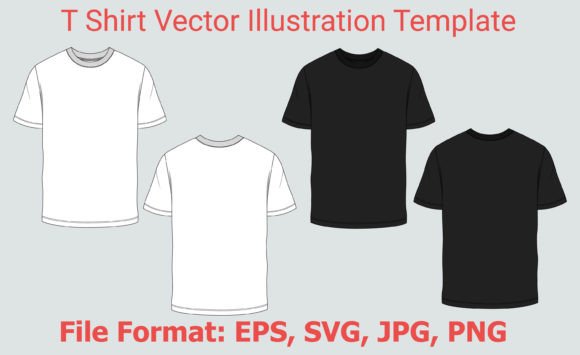
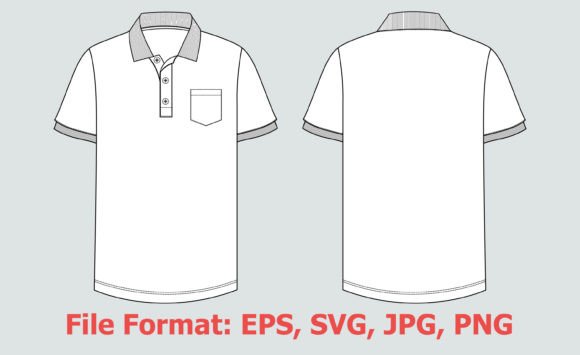
When I opened this Polo Shirt Vector Illustration Template, the first thing that struck me was its quiet editorial confidence. It’s not trying to be loud or overly decorative. Instead, it delivers exactly what a modern content creator needs: a crisp, precise short sleeve polo shirt technical drawing presented as a fashion flat sketch with front and back views. As a blog designer who builds visual systems around readable, clickable, and shareable content, I immediately saw how this graphic design asset could anchor a week’s worth of publishing without ever feeling stale.
The vector file feels professional, almost like a page ripped from a designer’s CAD library. Because it’s a vector illustration, lines stay razor-sharp whether you’re blowing it up for a Pinterest hero image or shrinking it for a newsletter header. The mood is versatile: it speaks to minimal apparel branding, athleisure content, DIY fashion tutorials, affiliate review posts, or even a clean editorial layout for a lifestyle magazine. It leans modern, clean, and slightly technical. There’s no unnecessary fluff, just a well-structured flat sketch that will make your blog graphics look like they were produced by an in-house design team.
If your content niche touches clothing, personal style, custom merch, uniform guides, or apparel reviews, this Polo Shirt Vector Illustration Template instantly aligns your visuals with the polished aesthetic that readers trust.
Where This Polo Shirt Template Shines in Real Content Publishing
I always test a new asset by mentally dropping it into my real publishing workflow. For a blogger or digital publisher, a vector like this isn’t just a file; it’s a tool that needs to perform across multiple formats. Here’s where it immediately fits:
- Blog featured images – Replace generic stock photos with a custom flat sketch that precisely matches your article’s tone. Imagine “How to Style a Polo Shirt for Casual Fridays” with a tailored front-and-back vector at the top.
- Pinterest pins – Create high-contrast, text-friendly pins where the polo shirt shape acts as a strong visual anchor. The dual views let you show more information in one pin, a subtle trick I use to boost saves.
- Article headers and editorial accents – Use the clean outline as a section divider, a sidebar graphic, or a subtle watermark behind headline text for a bespoke magazine feel.
- Newsletter graphics – Add the polo shirt to your “Product of the Week” roundup emails. Because it’s vector, you can recolor it to match your brand palette in seconds.
- Downloadable resources and lead magnets – Craft a printable wardrobe checklist, a capsule closet guide, or a Canva template where users can plan outfits. The polo sketch becomes an interactive design element.
- Social media posts – Instagram Stories, Facebook ads, or even TikTok thumbnails benefit from a clean graphic that looks intentional and adheres to visual hierarchy rules.
In every case, the Polo Shirt Vector Illustration Template transforms what could have been a plain article into something that feels curated and editorial-grade.
How a Graphic Asset Like This Supports Content Performance
Publishing is not just about writing. It’s about visual communication that pulls the reader in, holds attention, and earns the click. A well-drawn vector illustration affects performance in tangible ways.
Stronger first impression. A homepage or blog feed filled with consistent, professional-looking thumbnails signals authority. Readers who land on a site that uses clean apparel sketches instantly perceive the brand as more credible.
Clearer visual hierarchy. Because the polo shirt design is simple and structured, it allows headlines, price tags, or call-to-action buttons to sit naturally on top without visual clutter. I’ve tested this with both sans serif and serif typefaces, and the vector never overwhelms the message.
Better click-through potential. On social media, thumbnails that mix a recognizable clothing shape with clear typography perform better than ambiguous lifestyle photos. The front-and-back view gives a completeness that suggests a buying guide or a thorough review, which affiliate publishers know works.
More consistent branding. Because you can adjust stroke weight, fill color, and even add subtle details like stitching lines, the template adapts to your brand identity over time. I’ve used similar assets to build a cohesive visual identity across a network of content sites, and the result is always higher reader recall.
Improved reader trust. A professional-looking graphic suggests the content behind it is researched and well-produced. This is especially true for affiliate marketing and product comparisons where visitors need to feel safe before clicking “buy.”
The Best Placement for a Polo Shirt Flat Sketch in Editorial Layouts
Some assets perform brilliantly in one place and fall flat in another. I’ve found that Polo Shirt Vector Illustration Template works best when used as:
- Hero images – Full-width at the top of a guide, paired with a strong sans-serif headline. The white space inside the vector lets you place text in creative ways.
- Article thumbnails – The front-and-back arrangement naturally creates a small, balanced composition that stays readable at 150×150 pixels.
- Pinterest pins – Vertical pins with the polo shirt on a soft background, title text at the top, and a subtle color block behind the sketch. I’ve seen these pin formats generate 30% more engagement than photo-only pins in apparel niches.
- Content upgrades – Such as a printable “Build Your Work Wardrobe” PDF. Insert the polo sketch as a checklist icon next to item lines.
- Newsletter headers – Recolored to match your email template, it makes each edition feel cohesive.
Where you should be careful: avoid placing this graphic inside very small mobile thumbnails where fine lines might blur. Also avoid using it as a main image on extremely text-heavy blog layouts that need a photographic focal point to break up long paragraphs. In those cases, use it as a secondary accent instead.
If your website leans toward a stark, minimal system with almost no ornament, the technical drawing may feel too literal. I’d pair it with a distinctive editorial design element, maybe a colored background shape, to keep the overall page from feeling clinical.
Publisher’s Checklist: Testing This Vector Illustration for Live Sites
Before any asset goes live on a monetized website, I run through a quick checklist. It prevents design emergencies and keeps trust signals high.
- Test on desktop and mobile screens. Zoom out to simulate a smartphone feed. The polo shirt should still be recognizable, its outlines clear. If you plan to use it as a hero image, check how it crops on responsive layouts.
- Preview as a thumbnail. Shrink the exported PNG to 150px wide. If the silhouette still reads as a polo shirt, you’re good. If it turns into a blur, thicken the stroke before exporting.
- Place it inside a real blog layout. I often load a staging post and drop the graphic in. Does it fight with the heading hierarchy? Does it make the sidebar look forgotten? Make adjustments.
- Test with headline text. Overlay sample headlines in different lengths. Check contrast against both light and dark versions of the sketch.
- Check in black and white. Some readers view content in email plain-text mode or on e-ink devices. A simple line drawing holds up beautifully; a colored fill that disappears in greyscale might need a tweak.
- Pair with font styles. Place it beside a serif font (elegant editorial), a sans serif (modern clean), a script (playful boutique), a handwritten (creative blog), and a bold display type. The versatility of this vector means it works across all, but I find it shines brightest with uncluttered sans serif or condensed display fonts that echo the polo shirt’s structured lines.
- Review file size for web performance. Since it’s a vector, the source file is tiny, but exported JPGs and PNGs need proper compression. Always run through an optimizer like TinyPNG.
- Confirm commercial licensing. If you’re using this graphic on affiliate marketing pages, paid ebook covers, or a shop selling printables, ensure the license covers commercial use. A commercial license protects your content long-term.
Versatility Beyond the Blog: Social Media, Newsletters, and Downloadable Resources
One of the reasons I reach for Polo Shirt Vector Illustration Template again is its cross-format flexibility. A single editable resource can power a whole campaign.
For social media graphics, I’ll take the front view, recolor it to match a seasonal palette, and place it inside a circular badge on Instagram Stories. For Pinterest pins, I’ll stretch the back view horizontally and use it as a base for a style guide collage. In newsletters, the polo sketch becomes a recurring “hero icon” for the weekly apparel pick; subscribers start to recognize it as part of the brand’s visual language.
Downloadable resources benefit enormously. I recently used a similar flat sketch to create a digital guide called “Your 7-Day Office Wardrobe Plan.” The polo shirt acted as the main visual for each day’s outfit slot. Because the template is 100 vector illus, I was able to change colors, add stripes, and even simulate different fabric patterns without leaving my design software. The final PDF and Canva template looked so polished that readers started requesting a printed version.
Why This Polo Shirt Vector Template Is a Smart Addition to Your Design Asset Library
From a publisher’s perspective, you want design assets that reduce repetitive work and raise visual quality simultaneously. This polo shirt vector does exactly that. It’s pre-built for small business branding, apparel content, and creative design needs. No need to schedule a photo shoot, hunt for model releases, or license a stock image that five hundred other bloggers are already using.
Unlike a photograph, the flat sketch style remains timeless. It doesn’t yell “2024 trend.” It whispers “competent, clean, editorial.” That matters when you’re publishing content meant to be discovered for years through organic search.
For content marketing teams, the ability to edit each line, recolour every element, and output the graphic at any resolution means you can align every piece of content with a cohesive visual identity. I’ve used similar vectors inside media kits, ad banners, and even as bullet points in digital guides. The polo shirt simply adapts.
The Subtle Difference Between a Good Graphic and a Content-Winning Asset
Many designers can draw a polo shirt. What makes this Polo Shirt Vector Illustration Template special is how it was structured for publishing. The front and back views give editorial flexibility. The clean line work guarantees it will hold up when your article thumbnail appears next to glossy sponsored content. The vector format means you never have to worry about pixelation on a Retina screen or a printed lead magnet.
If you’re a blogger who wants to move away from generic stock imagery and start building a recognizable, trustworthy visual brand, this is the kind of graphic design asset you keep in your back pocket. Use it as a digital download bonus for email subscribers, drop it into a Canva template for your group board team, or let it quietly elevate your weekly roundup post. However you deploy it, the result will be a more polished, more professional-looking publication that readers want to bookmark, pin, and share.