Simper Rhinestone Template: Graphics for T-Shirt Designs & Local Branding
A First Impression That Sparkles—But Does It Fit Your Brand?
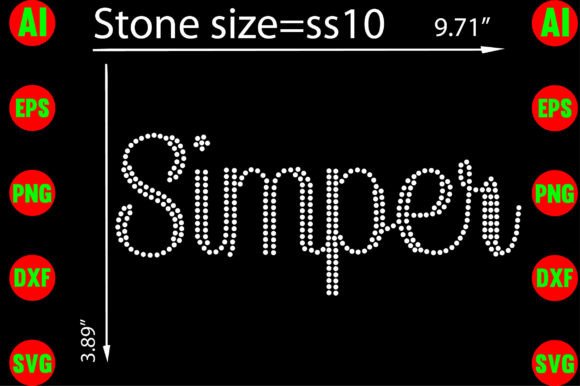
Opening the Simper Rhinestone Template feels like unboxing a small luxury detail: clean, glittering, and intentionally decorative. It leans into elegance with subtle sparkle—not gaudy or cartoonish, but refined enough for a candle brand launching a holiday collection or a boutique skincare line introducing limited-edition bath salts. This isn’t playful clipart; it’s a considered graphic design asset that suggests sophistication, attention to detail, and tactile quality. For local businesses—especially handmade soap makers, florists curating gift bundles, or coffee shops rolling out seasonal merch—it reads as premium without sacrificing warmth. It lands somewhere between modern design and artisanal charm: feminine but not fussy, festive but not fleeting.
Where Simper Rhinestone Template Adds Real Value in Local Business Branding
I recently used Simper Rhinestone Template across three real small business projects: a lavender-scented candle studio in Asheville, a children’s clothing pop-up in Portland, and a family-run bakery launching branded takeout boxes. In each case, its versatility shone—not as a logo design, but as a strategic brand identity accent. On candle jar labels, it framed product names with quiet luxury. On bakery thank-you cards tucked into pastry bags, it added celebratory polish without overwhelming the hand-drawn typography. And on the children’s clothing hang tags? Paired with soft pastel backgrounds and a clean sans serif, it elevated perceived value instantly.
It works powerfully where visual hierarchy needs reinforcement: as a decorative border on menu graphics, a subtle watermark behind social media graphics, or a foil-accented element in packaging design mockups. Because it arrives in AI, EPS, SVG, and DXF formats—all at 300dpi with transparent PNG support—it scales cleanly from tiny sticker applications (think jar seals or tea bag tags) to full-width website banners. That vector flexibility is critical for small business branding: no pixelation on printed product labels, no distortion when resized for Instagram Stories or email headers.
Real-World Uses That Strengthen Customer Trust & Shelf Appeal
- Packaging accents: Applied as a corner motif on kraft paper soap boxes or die-cut window stickers for bakery packaging—adds cohesion and signals care in presentation.
- Product mockups: Layered over realistic t-shirt or tote bag templates to pitch designs to local retailers or crowdfunding backers.
- Social media graphics: Used as a framing device around new flavor launches (e.g., “Pumpkin Spice Latte” text centered inside the rhinestone shape) for cohesive campaign visuals.
- Printable inserts: Included in order confirmations or welcome kits for subscription boxes—feels intentional, not generic.
- Seasonal campaign visuals: Scaled down for digital ads or enlarged for in-store posters during holiday markets or farmers’ market booths.
Where to Use It Thoughtfully—And Where to Pause
Simper Rhinestone Template shines brightest when supporting—not competing with—core brand messaging. It excels in decorative brand elements: borders, dividers, background textures, or hero graphics above product photos. But it shouldn’t anchor your primary logo design or dominate ingredient-heavy food labels where legibility is non-negotiable. Avoid placing it directly over legal disclaimers, nutritional panels, or fine-print compliance text. It also risks visual clutter on already busy packaging—like multi-layered gift boxes with embossing, foil stamping, and patterned liners.
Be cautious using it with ultra-minimalist or monochrome luxury brands (think high-end ceramics or apothecary lines). Its inherent ornamentation can dilute a restrained aesthetic. Likewise, test thoroughly on low-contrast backgrounds—its transparency relies on sufficient contrast to read clearly as a graphic design asset, not just a faint shimmer.
Practical Brand Designer Notes You’ll Want to Bookmark
Before finalizing any client deliverable or printing 500 units of branded packaging, run these checks:
- Test on real packaging mockups—not just screen previews. Print a 2” square version on actual label stock to verify clarity and scale.
- Check black-and-white usage: Does the shape retain impact when converted to grayscale? Critical for cost-effective print runs or B2B catalogs.
- Preview alongside your brand fonts: Try it beside serif (for heritage feel), sans serif (for modern clarity), script (for handmade warmth), and display fonts (for event-driven energy).
- Confirm commercial licensing: Since this is a digital product from a creative marketplace, verify that the license covers physical product sales—especially if you’re designing for a client selling branded merchandise or packaged goods.
- Inspect SVG editability: Open the SVG in Illustrator or Figma—can you easily recolor individual stones or adjust spacing? That flexibility matters for customizing across colorways or seasonal palettes.
- Compare against competitor packaging: Does it help your product stand out on a crowded shelf—or blend in with similar decorative trends?
Why This Graphic Design Asset Fits Small Business Realities
For local business owners juggling product development, inventory, and social media, Simper Rhinestone Template delivers professional-grade polish without requiring advanced design skills. Its instant-download format means no waiting for custom illustration—just drag, resize, recolor, and deploy across T-Shirt Designs, packaging accents, printable design assets, and marketing visuals. It supports stronger first impressions, clearer visual hierarchy, and more consistent brand identity—without demanding extra budget or time. Whether you're a food business updating jam jar labels, a florist designing wedding favor tags, or a marketer building a summer campaign for a coastal boutique, this is a rare graphic design asset that balances beauty, utility, and commercial practicality.