Colored T-Shirt Vector Template Review
First Impressions: Clean, Friendly, and Ready for Real Stitching
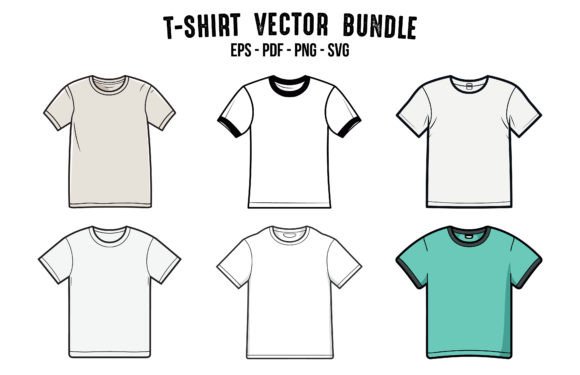
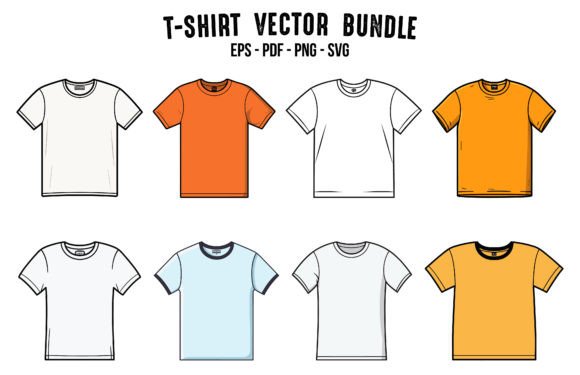
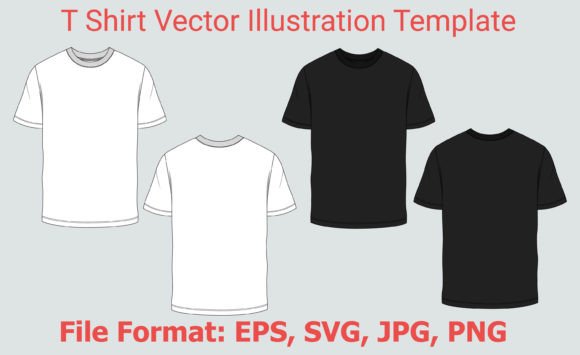
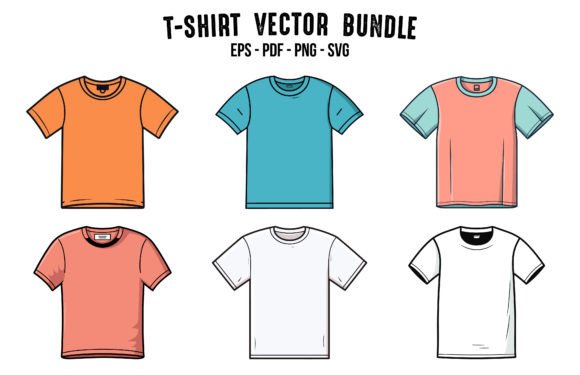
When I opened the Set of Colored T-shirt Vector Template, my first thought wasn’t “pretty graphic”—it was “this could actually work on a baby onesie.” The white t-shirt outline is crisp, centered, and isolated cleanly on white. No shadows, no drop-shadows, no distracting background elements—just confident, scalable vector lines with soft color accents that suggest warmth without overwhelming detail. It doesn’t scream “clip art.” It reads like a thoughtful design asset: friendly enough for a boutique nursery line, clean enough for a small shop’s branded tote bag, and versatile enough to serve as a base for custom embroidery mockups or applique designs.
A Real Project Moment: Embroidering a Personalized Baby Gift
Last week, I used this template as the foundation for a custom embroidered cotton muslin pillow cover—intended as a newborn gift. I didn’t stitch the full colored version directly. Instead, I traced the outline into an embroidery digitizing software, simplified key curves for satin-stitch clarity, and added a subtle monogram inside the shirt shape. Why? Because the Set of Colored T-shirt Vector Template isn’t a machine embroidery design—it’s an illustration. But its clean vector structure made adapting it fast and precise. Clients loved the result: a soft, handmade product that felt intentional, not generic. That’s the quiet strength of this asset—it supports craftsmanship rather than replacing it.
Where It Shines (and Where It Needs Care)
This template fits naturally into several embroidery-adjacent workflows:
- Custom apparel mockups: Perfect for Etsy sellers showing how a monogram or phrase would sit on a real t-shirt—especially when paired with light/dark fabric overlays.
- Tote bag design layout: The centered composition works well on canvas or linen, and the outline gives clear boundaries for text or small icons.
- Baby embroidery prep: Its gentle proportions translate well to onesies and burp cloths—just simplify inner details before digitizing.
- Embroidered patch templates: Use the outline as a guide for border stitching; the color hints help visualize thread choices before committing.
- Holiday or wedding gift personalization: Layer a tiny heart, initial, or date inside the shirt shape—clean, sentimental, and scalable.
But be mindful: the original colored version includes fine interior shading and soft gradients. Those won’t stitch out. If you’re planning actual machine embroidery, treat those as visual guides—not stitch maps. Avoid using the full-color layers directly for dense fill-stitch areas on thin fabric or stretchy knits. And on dark fabric? Rely on your black-and-white mockup first—the colors may mislead contrast perception.
Design Integrity Meets Practical Embroidery Sense
What makes the Set of Colored T-shirt Vector Template stand out among Illustrations is how little it asks you to fix. No jagged edges. No inconsistent stroke weights. No embedded raster elements hiding in the vector file. That means less cleanup time before digitizing, fewer surprises at stitch-out, and more confidence when prepping for commercial embroidery or client approvals. For craft business owners juggling ten projects at once, that reliability matters. It also helps maintain brand consistency—if you use this same outline across sweatshirt embroidery, tea towel designs, and printable mockups, your shop feels cohesive, not scattered.
Small Details That Affect Big Outcomes
Look closely at the collar and sleeve openings. They’re rounded—not sharp—and just wide enough to avoid tight corners that snag during hooping or cause thread breaks on curved surfaces like caps or aprons. That’s not accidental. It signals thoughtful vector construction, which pays off when you convert to an applique design or add running-stitch borders. Also, the overall height-to-width ratio sits comfortably within standard hoop sizes—no extreme verticals that force awkward repositioning on a pillow cover or kitchen towel.
Smart Next Steps Before You Stitch or Sell
Before adding the Set of Colored T-shirt Vector Template to your next project, do these five things:
- Test on scrap fabric first—especially if pairing with textured weaves or lightweight cotton.
- Check thread color contrast against both light and dark backgrounds using simple grayscale mockups.
- Review stitch density if converting to a digital embroidery file—dense fill stitches inside the shirt shape can pucker thin fabric.
- Confirm hoop size compatibility—the outline scales well, but intricate interior details may need simplification for hoops under 4”.
- Verify licensing—since this falls under Graphics, confirm whether your intended use (e.g., selling finished embroidered patches or digital product previews) is covered.
Also: try sketching the outline by hand on paper first. If it feels balanced and intuitive to draw, it’ll likely feel balanced and intuitive to stitch.
Final Thought: A Quietly Useful Tool, Not a Shortcut
The Set of Colored T-shirt Vector Template won’t replace your digitizing skills or eliminate test stitching—but it does remove guesswork from early-stage layout and client presentation. It’s the kind of design asset that earns trust over time: not flashy, not overpromising, but consistently helpful across tote bag design, baby embroidery, holiday embroidery, and small shop product development. For Etsy sellers building recognizable branding, for craft fair vendors needing clean, professional mockups, and for makers who value clarity over clutter—it’s a grounded, practical addition to your design assets. Just remember: its real value unfolds not in the file itself, but in how thoughtfully you adapt it to real cloth, real threads, and real people holding your finished product.